Introduction
Childcare companies have an essential responsibility to make sure the wellness, safety, and wellness of kids in their care. This responsibility prolongs past plain supervision; it incorporates a detailed understanding of occurrence coverage procedures. By developing clear methods, teachers can address emergency situations properly while ensuring conformity with legal and regulative needs. In this post, we will delve into numerous facets of incident coverage methods, exploring vital elements that promote a more secure environment for children.
Incident Coverage Protocols: Ensuring Security and Compliance in Childcare
What are event coverage procedures? In the context of child care, they describe organized procedures created for documenting any occurrences or crashes involving youngsters. These methods offer not just as a way of interaction amongst personnel but additionally as a tool for renovation and conformity with safety regulations. The relevance of these protocols can not be overstated; they develop the backbone of efficient threat monitoring within childcare settings.
The Significance of Incident Reporting
Why Record Incidents?
Reporting incidents is crucial for a number of factors:
Safety Renovation: Documenting incidents aids determine patterns or recurring issues that need addressing. Legal Compliance: Governing bodies commonly call for documents to show adherence to safety and security standards. Parental Interaction: Keeping moms and dads notified fosters trust fund and transparency. Training Opportunities: Assessing occurrences can result in boosted training programs for staff.Key Aspects of Effective Reporting
An efficient event report need to consist of:
- Date and time of the incident Location Description of what happened Individuals involved Witnesses Actions taken
Understanding Immediate Feedback Responsibilities
What Are Immediate Feedback Responsibilities?
Immediate action duties are the activities that childcare staff has to take instantly adhering to an incident. This might vary from providing first aid to notifying moms and dads or authorities.
First Help Essentials in Childcare
A fully equipped child care center ought to have trained staff efficient in offering emergency treatment in emergencies. Recognizing standard emergency treatment methods such as handling minor injuries, choking avoidance, and recognizing bronchial asthma signs and symptoms is vital.
HLTAID012 Provide Emergency treatment in Education
Overview of HLTAID012 Certification
HLTAID012 qualification is specifically developed for those operating in educational setups. It covers essential skills like CPR, first aid reactions for injuries, and just how to deal with clinical emergency situations entailing children.
Importance of Qualification in Child Care Staff
Having certified personnel guarantees that instant feedback activities line up with ideal techniques. This accreditation improves educator self-confidence when dealing with emergencies.
Choking Avoidance Strategies
Recognizing Choking Risks
Choking is a considerable worry in childcare settings. It's critical to recognize foods that pose choking dangers and execute preventative measures.
Training Staff on Choking Responses
Staff needs to be educated on just how to react efficiently if a kid chokes. This consists of understanding just how to perform back strikes and stomach drives safely.
Epipen Management Training
When Is Epipen Management Necessary?
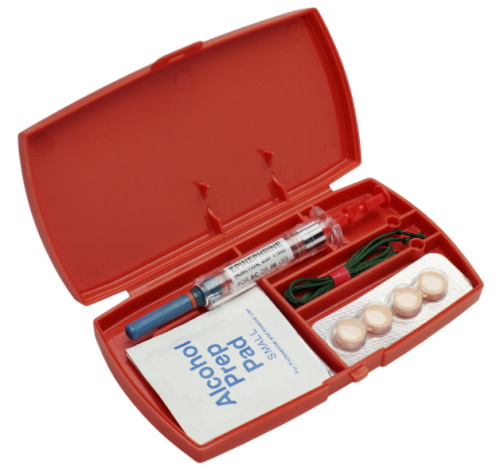
Children with severe allergic reactions may require Epipen management throughout anaphylactic reactions. Recognizing signs early can save lives.
Proper Techniques for Epipen Use
Training on proper epinephrine administration methods is essential for all childcare team handling children in danger for severe sensitive reactions.
Managing Minor Wounds Effectively
Common Types of Minor Wounds
Minor wounds can range from cuts and scuffs to swellings first aid pro training perth sustained during play tasks like playground mishaps.
Steps for Appropriate Wound Management
Clean the injury with soap and water. Apply antibacterial if necessary. Cover it with a sterile bandage. Keep an eye out for indicators of infection.Proper Hand Health Practices
Importance of Hand Hygiene in Child Care Centers
Maintaining correct hand health assists protect against health problem episodes amongst children that are especially prone due to their developing immune systems.
Teaching Handwashing Techniques
Staff needs to lead by example, demonstrating efficient handwashing strategies after altering diapers or prior to meals.
Child Defibrillation Guidance
Understanding When Defibrillation Is Required
In rare instances, defibrillation may be called for if a kid experiences cardiac arrest. Recognizing when and exactly how to make use of an AED (Automated External Defibrillator) can make all the difference.
AED Training Fundamentals for Childcare Staff
Training must include just how to situate an AED promptly and its operational treatments particular to children versus adults.
Building Educator Self-confidence Through Training
Importance of Continual Expert Development
Regular training sessions boost teachers' confidence by keeping them upgraded on present best methods related to child security and emergency situation feedback protocols.
Creating a Society of Security Understanding Amongst Staff
Encouraging open communication concerning safety concerns cultivates an atmosphere where all team member really feel encouraged to report events without worry or hesitation.
Recognizing Asthma Signs Early
Common Indications That Indicate Bronchial Asthma Attacks
Asthma signs and symptoms can materialize unexpectedly; therefore, acknowledging hissing, coughing, shortness of breath, or chest tightness is important in giving prompt intervention.
Emergency Action Prepare for Bronchial Asthma Management
Every childcare facility ought to have embellished bronchial asthma action prepares describing certain steps based upon each kid's needs-- make sure all personnel are acquainted with these plans!
Addressing Play area Mishaps: Finest Practices
What Prevail Play area Hazards?
Playground problems can occur because of poorly kept equipment or unacceptable supervision levels-- comprehending these dangers is essential!

|Kind of Danger|Instances|Preventative Procedures|| -----------------|-----------------------------------|--------------------------|| Tools Issues|Damaged swings or slides|Regular inspections|| Supervision Gaps|Kids playing unsafely|Appropriate staff-to-child ratio|
Childproofing Strategies: Developing Safe Spaces
How can one efficiently childproof areas within a childcare setting? While it could seem discouraging in the beginning glance-- using easy techniques ensures safety and security without compromising playtime fun!
Identify possible dangers (sharp corners). Use soft products (foam pads). Secure furniture versus walls. Ensure risk-free storage solutions (secured cupboards).Incident Reporting Protocols: A Detailed Approach
What constitutes efficient event reporting treatments? Below's a short overview:
Assess the situation-- determine seriousness level. Administer needed initial aid. Fill out occurrence records precisely & & immediately-- include witness accounts! Communicate searchings for with parents/guardians afterward-- preserve transparency!Written vs Practical Components in Training Programs
What do we suggest by created vs practical elements throughout training sessions? Each facet serves distinct purposes!
- Written elements generally involve theory-based understanding covering policies/protocols relevantly-- think handbooks & & handouts! Practical elements engage learners proactively via simulation exercises duplicating real-life circumstances-- role-playing makes it remarkable!
Renewal Timelines: Staying Updated
How commonly should accreditations be restored? Generally speaking:
- First Aid Accreditations generally need renewal every three years. Ongoing training sessions aid keep understanding fresh/updated!
FAQs About Event Coverage Protocols
1) What types of events require reporting?
Any kind of injury requiring first aid treatment qualifies as reportable! This includes falls/bumps that don't seem serious at first glance but later escalate right into difficulties needing attention!
2) Are parents alerted concerning every incident?
Yes! Transparency builds trust fund between families/care centers-- moms and dads should have complete recognition concerning their youngster's wellness!
3) Is there a standard template for incident reports?
The majority of facilities create their very own templates matching neighborhood laws while making certain inclusion obligatory information factors mentioned earlier!
4) Can volunteers aid throughout emergencies?
While appealing volunteers supplies useful support-- it's vital they're educated correctly beforehand on adhering to procedures laid out by qualified employees present onsite!
5) How does one handle duplicated behavior concerns leading up in the direction of accidents?

6) Are there details standards controling food allergic reactions management?
Without a doubt! Guidelines exist describing ideal methods around identifying risks related to allergic reactions including labeling foods plainly communicating prospective risks effectively decreasing risks general within centers giving appropriate training relating to reaction measures needed thereafter as well!
Conclusion
In Visit this link final thought, understanding event coverage protocols is critical for maintaining safety and security standards conformity within child care setups throughout Australia! Cultivating continuous understanding possibilities motivates favorable society surrounding health/safety advertising proactive steps as opposed to responsive ones whenever feasible-- a cumulative responsibility shared amongst everybody included-- from https://zanevoio319.fotosdefrases.com/providing-reassurance-the-key-to-comforting-accident-victims teachers down with administrative workers eventually benefiting our most priceless source ... our children!